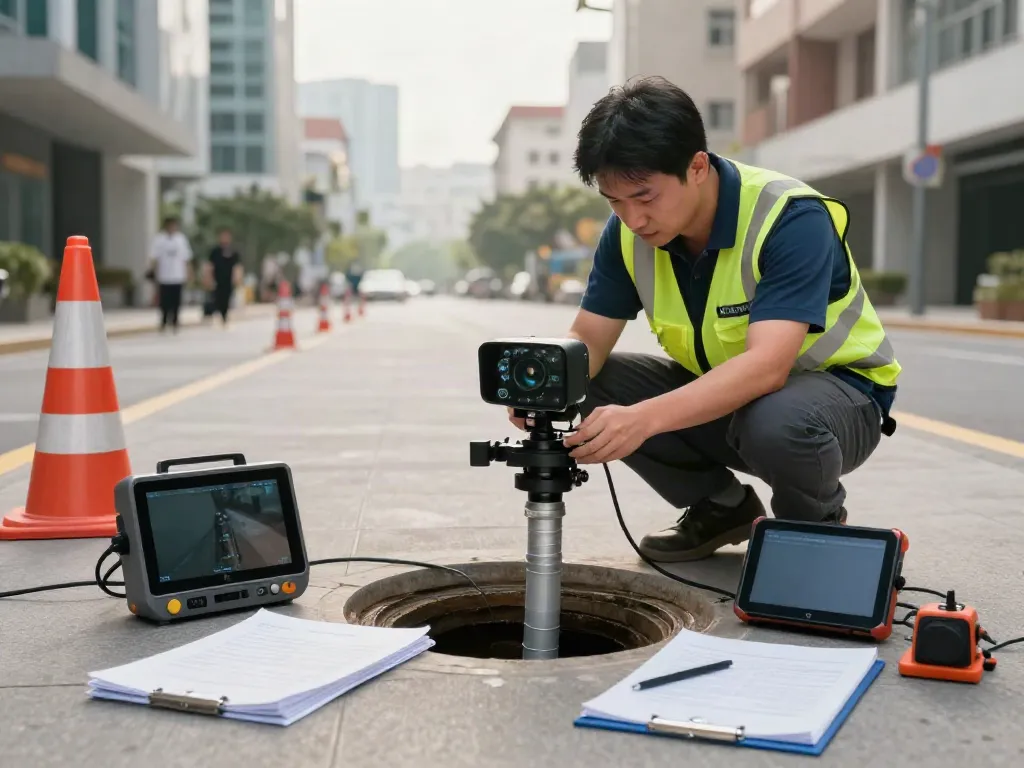
The Importance of CCTV Drainage Surveys in London
As urban areas expand and infrastructure ages, the need for effective drainage systems becomes increasingly critical. CCTV drainage surveys have emerged as a vital tool for property owners, developers, and local authorities in assessing and maintaining these complex networks. By employing advanced technology, such as high-resolution cameras equipped with sonde capabilities, these surveys provide invaluable insights into the condition of underground drainage systems. When exploring options, Drainage Surveyors London provides comprehensive insights for maintaining efficient water flow and preventing costly blockages.
Understanding Drainage Needs for Urban Areas
London's drainage infrastructure is intricate, consisting of a mix of old and new systems that were designed to handle heavy rainfall and varying soil conditions. The urban landscape is marked by a high density of buildings, roads, and other structures that can complicate drainage flows. Understanding these needs is essential for ensuring that drainage systems function effectively, reducing the risk of flooding and property damage. Regular CCTV drainage surveys allow for the early detection of issues such as misaligned pipes, blockages, and structural damage, addressing these problems before they escalate.
Common Problems Found in Drainage Systems
Drainage systems in urban environments are susceptible to a variety of issues, including:
- Blockages: Caused by debris, tree roots, or grease buildup that prematurely reduces flow capacity.
- Cracks and Leaks: These can arise from ground movement or aging materials, leading to water ingress and structural deterioration.
- Misalignment: Changes in soil conditions or original installation faults can lead to improper angles, causing water to pool.
- Corrosion: Older pipelines made from metal may deteriorate over time, leading to failures that require urgent attention.
The Role of CCTV in Preventive Maintenance
Preventive maintenance is crucial in urban drainage management. CCTV surveys facilitate this process by allowing professionals to visually inspect drainage systems without the need for excavation. The ability to assess underground conditions remotely means that potential problems can be identified early, allowing for timely repairs and maintenance, which ultimately protects public health and safety.
Choosing Expert Drainage Surveyors in London
When selecting drainage surveyors in London, several factors should be considered to ensure that you receive the highest quality service. Professional qualifications, industry experience, and the technology used are all important indicators of a reputable drainage surveying company.
Criteria for Selecting Top Drainage Surveyor Services
When evaluating drainage surveyors, look for firms that possess:
- Accreditations: Look for membership of professional organisations and compliance with industry standards.
- Advanced Technology: Companies using the latest CCTV technology and reporting software can provide more accurate and detailed findings.
- Experience: A wealth of experience in the field indicates reliability and expertise in handling various drainage issues.
- Customer Reviews: Positive feedback from past clients can give insight into a company’s reliability and quality of service.
What to Expect from Professional Surveys
When you engage a professional drainage surveyor, you can expect a thorough analysis of your drainage systems, including:
- Comprehensive Reporting: Detailed reports generated through advanced software, such as WinCan, outlining the findings and necessary next steps.
- Visual Evidence: High-resolution footage that allows clients to see the state of their drainage systems.
- Recommendations: Expert advice on any required repairs or maintenance based on survey results.
Comparing Costs and Services amongst Competitors
CCTV drainage survey costs can vary significantly based on the complexity and location of the systems being surveyed. It’s essential to compare multiple quotes and understand what services are included in the pricing, such as the provision of CAD drawings or WinCan reports. A well-rounded approach can help ensure you receive value for your investment while addressing your drainage needs effectively.
Advanced Technologies in Drainage Surveying
The field of drainage surveying has evolved significantly with the introduction of advanced technologies. The latest innovations have made surveys more efficient, accurate, and less invasive compared to traditional methods.
How CCTV Cameras Work for Drain Inspections
CCTV cameras are specifically designed to navigate through drainage systems, capturing high-quality video footage of the interior conditions. These cameras can adapt to various pipe sizes and shapes, providing a comprehensive view of the system. Equipped with sonar technology, they can also determine the depth and positioning of pipelines, allowing for accurate mapping of the drainage layout.
Innovative Software for Reporting and Analysis
Reporting software such as WinCan plays an essential role in the analysis of surveillance footage. It allows for the streamlined processing of data collected during inspections, producing reports that highlight significant findings, pipe conditions, and recommendations for repairs.
Future Trends in Drainage Survey Technology
As technology continues to advance, the future of drainage surveying looks promising. Key trends include:
- Artificial Intelligence: Implementing AI can enhance the analysis of video footage, identifying issues more quickly.
- Integration with Geographic Information Systems (GIS): This will allow for better mapping and management of drainage systems within an urban context.
- Remote Monitoring: The future may see more systems that can be monitored continuously, alerting property owners to potential issues before they become problematic.
What to Do Before Scheduling a CCTV Drain Survey
Preparation is key to ensuring that your CCTV drainage survey goes smoothly. By taking the necessary steps beforehand, you can help facilitate the inspection process.
Preparing Your Property for Inspection
Before conducting a CCTV drainage survey, consider the following:
- Access Points: Ensure that all necessary access points to the drainage system are clear and easily accessible.
- Inform Relevant Parties: If the survey affects multiple properties, inform all relevant parties to prevent misunderstandings.
- Prior Records: If possible, provide any existing drainage plans or prior reports to assist the surveyors.
Common Misconceptions about Drainage Surveys
Many property owners have misconceptions about drainage surveys, including:
- They Are Only for Blockages: While they help identify blockages, surveys are also crucial for preventive maintenance.
- Surveys Are Too Expensive: The cost of a survey is often minimal compared to the potential savings from future repairs.
- Only New Developments Require Surveys: Older properties benefit greatly from regular surveys to avoid unexpected issues.
Understanding the Survey Process and Timeline
The timeline for completing a CCTV drainage survey can vary based on the property's size and complexity. Typically, the process involves:
- Initial Assessment: Surveyors will review the site before commencing work.
- Conducting the Survey: The actual survey may take a few hours to a day, depending on the layout.
- Report Generation: After the survey, reports are typically delivered within 1-2 days.
Case Studies: Successful Drainage Surveys
Examining real-world examples can provide insights into the practical applications and benefits of CCTV drainage surveys.
Residential Projects: Ensuring Home Safety
In residential areas, regular CCTV surveys have successfully identified blockages and deteriorating pipes, allowing homeowners to address issues before they lead to overflows or water damage. For example, a case study involved a Victorian home where a prior survey revealed significant root intrusion—preventing a potential disaster.
Commercial Applications: Avoiding Large Scale Failures
For businesses, downtime caused by drainage failures can be costly. A major retail chain implemented regular CCTV surveys, which identified potential blockages that could disrupt operations. Corrective action was taken before any significant issues arose, allowing continuous business operations without interruptions.
Feedback from Local Authorities and Industry Experts
Many local authorities now mandate CCTV drainage surveys before approving construction projects. This precaution ensures that the existing drainage infrastructure can support new developments without causing systemic failures. Feedback from industry experts highlights the value of these surveys in long-term urban planning efforts.
How can a CCTV drainage survey help my property?
A CCTV drainage survey can provide critical insights into your property's drainage system, helping to identify issues like blockages, leaks, and structural damage. By addressing these problems early, you can avoid expensive repairs and ensure the long-term functionality of your drainage system.
What types of drainage issues are commonly detected?
The most common issues identified during a CCTV drainage survey include blockages caused by debris or grease, cracks in the pipework, misalignment of pipes, and corrosion, particularly in older drainage systems.
How long does a typical CCTV drainage survey take?
The duration of a CCTV drainage survey can vary based on the property's size and complexity. Generally, a standard survey can be completed within a few hours to a full day.
Are there any regulations for drainage surveys in London?
Yes, drainage surveys in London must comply with certain industry standards and regulations to ensure accuracy and reliability. This includes adherence to guidelines set out by local authorities and compliance with relevant health and safety regulations.
What qualifications should drainage surveyors have?
Reputable drainage surveyors should possess relevant qualifications, including certifications in health and safety, experience with CCTV technology, and familiarity with local drainage regulations. Look for accredited professionals who are members of recognised industry bodies.