A driverless car can handle a clean road in a short demo. The harder test starts when the road map ends, a sensor gets blocked, or another driver behaves badly. For anyone judging these systems, these are the developments worth watching and the proof each one needs.
- Unmapped roads: Can the car handle a street it wasn't prepared for?
- Human handoffs: How much warning does a driver get when the system needs help?
- Safety records: Are results reported by miles, trips, and road type?
Better work outside the map
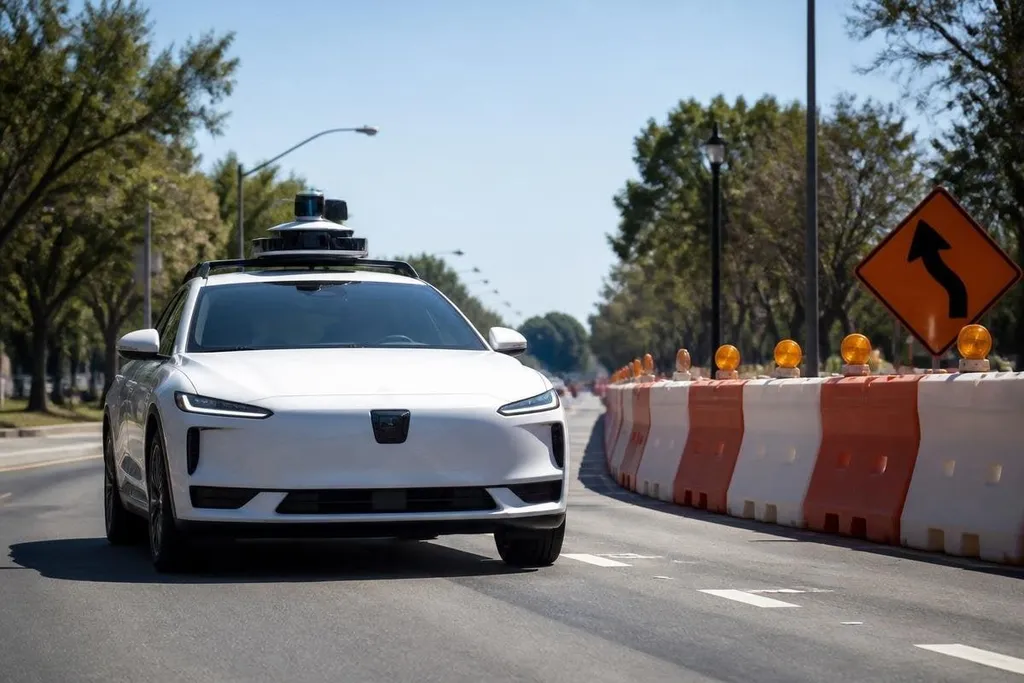
Most autonomous systems work within limits set by maps, weather rules, road types, and operating areas. A real step forward would allow a car to deal with small changes, such as a closed lane, a new barrier, or a delivery truck blocking the usual path.
The useful proof is a repeatable test on roads the system has not seen before. Watch for the size of the operating area, the number of route changes, and the rate of human intervention. A video of one successful trip cannot answer those questions.
A car also needs a clear way to handle uncertainty. If its cameras cannot read a sign through rain, or a parked vehicle hides a cyclist, the system should slow down, stop, or ask for help before the situation becomes unsafe.
Sensors and software that fail less often
These systems depend on several sensor types. Cameras read lane lines and signs, radar measures the movement of nearby objects, and lidar builds a three-dimensional view using laser pulses. Each sensor has limits, so the software must compare their readings instead of trusting one feed.
The next useful advance will be easier to judge through failure tests. Ask what happens when glare hides a camera view, road spray covers a sensor, or construction changes the lane layout. Then ask for the exact fallback: slower speed, a stop, or a remote operator.
That last option needs careful reporting. A remote assistant may help with an unusual road scene.
The car still has to stop safely, share the right data, and wait for a clear instruction. A system that needs frequent help may work in a small trial but cost too much for wide use.
For an autonomous car, a smooth lane change says little about a safe handoff. Coverage from Robot 24 can compare the car’s sensor setup, route, test date, and operator response with the maker’s claim. That evidence leads into the next issue: whether a person can take control before the car reaches danger.
Safer handoffs to people at the controls
Some systems allow a person to stay ready while the car handles steering, speed, and lane position. That is different from a system that can complete a trip without a human watching the road. The distinction matters because a driver who has been watching a screen may need time to understand a sudden handoff.
Look for the warning time, the number of seconds available to respond, and the road conditions used in the test. A handoff at a quiet highway exit says less than one near a busy work zone. The report should also say how many drivers failed to respond in time.
The SAE automation levels give buyers a shared reference. Level 2 still needs a human to watch the road. Higher levels shift more of the trip to the system, but each claim still depends on a defined operating area and set of conditions.
Evidence from daily use
A system that works on one route may fail on another. That is why fleet size, mileage, weather, road type, and safety incidents matter more than a polished launch video.
Companies should report results in a form people can check. Useful records include miles traveled without human control, stops caused by the system, collisions, near misses, and the share of trips that required remote help. The same measures should appear over time, not only during a launch event.
The strongest sign will be steady work across more roads without a matching rise in safety events or human support. That result is unproven for many systems, so buyers should treat broad claims with care.
A buyer's checklist
Use this list before accepting a claim about an autonomous driving system:
- Define the task: Record the automation level and the exact roads it covers.
- Check the limits: Ask for weather, lighting, speed, and sensor-blockage rules.
- Read the method: Find the trip count, mileage, route type, and test dates.
- Count human help: Separate driver takeovers from remote operator support.
- Inspect failures: Ask what the car did after a missed sign, blocked lane, or lost sensor.
- Price the support: Include mapping, supervision, repairs, insurance, and staff time.
I'd watch unmapped-road performance before any new sensor claim. A car that can handle a changed lane, explain its limits, and stop safely has cleared a more useful test than one that completes a perfect route on video.
The next number worth checking is simple: how many miles the system travels outside its prepared area, and how often a person must step in.