
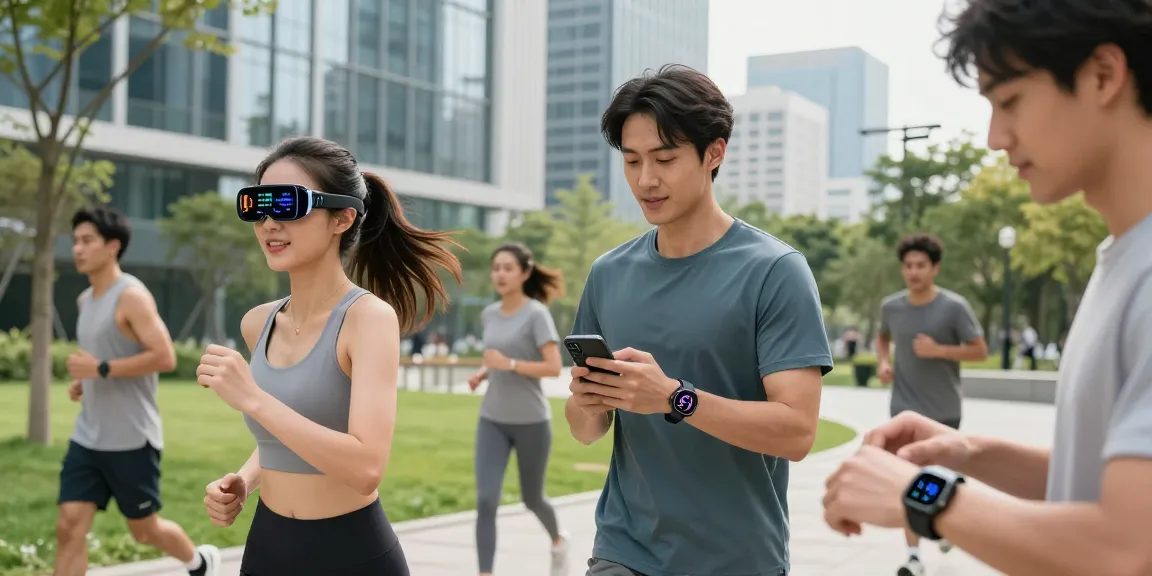
Understanding AI Wearables
AI wearables have rapidly emerged as a pivotal component of modern technology, revolutionizing the way we interact with digital devices and manage our daily lives. These smart gadgets, which range from fitness trackers to advanced AR glasses, utilize artificial intelligence to enhance functionality and user experience. In this comprehensive guide, we will explore what AI wearables are, the technology that powers them, and the various types available in today’s market. When exploring options, AI wearables have become a significant area of interest for both consumers and tech enthusiasts alike.
What Are AI Wearables?
At their core, AI wearables are devices embedded with artificial intelligence capabilities that can collect data, learn from user interactions, and provide insights for improved functionality. These gadgets can range from health and fitness monitors that track physical activity to smart glasses that offer augmented reality experiences. The primary function of AI wearables is to enhance user experience by leveraging data and AI algorithms to provide personalized insights and recommendations.
The Technology Behind AI Wearables
The technology driving AI wearables combines several fields, including machine learning, data analytics, and sensors. Machine learning algorithms analyze data collected from sensors, such as heart rate monitors or motion detectors, to identify patterns and trends. This data can then be used to provide real-time feedback, alerts, or recommendations to the user. Furthermore, cloud computing ensures that the wearables can access vast amounts of data to improve their functionality over time.
Common Types of AI Wearables
- Smartwatches: These devices offer features such as message notifications, fitness tracking, GPS navigation, and more.
- Fitness Trackers: Primarily focused on health and exercise, these devices monitor physical activity, calories burned, heart rate, and sleep patterns.
- Smart Glasses: These provide augmented reality experiences, displaying information directly in the user’s field of vision.
- Wearable Health Monitors: Specialized devices that can track specific health metrics, such as blood glucose levels or blood pressure.
- AI Pins and Rings: Smaller devices that can alert users to notifications, track health metrics, or even act as smart keys.
Benefits of AI Wearables in Everyday Life
The integration of AI wearables into daily life offers numerous benefits that enhance health, productivity, and overall well-being. Here, we delve into the specific advantages these devices provide.
Health Monitoring and Fitness Tracking
One of the most significant advantages of AI wearables is their ability to monitor health and fitness in real-time. Devices such as fitness trackers and smartwatches provide users with insights into their physical activity and health metrics, enabling them to make informed decisions about their well-being. For instance, they can track heart rate, monitor sleep quality, and even detect irregular heart rhythms, prompting users to seek medical attention if necessary.
Enhanced Communication and Connectivity
AI wearables facilitate seamless communication by allowing users to receive notifications, messages, and calls without needing to check their smartphones constantly. This hands-free experience enhances productivity, enabling users to remain connected while on the go.
Convenience and Lifestyle Integration
Many AI wearables are designed to integrate smoothly into users’ lifestyles. For example, smartwatches can control smart home devices, allowing users to manage their environment with simple voice commands or taps on their wrist. Moreover, wearables often feature customizable interfaces, enabling users to tailor their experiences according to personal preferences.
Challenges and Concerns with AI Wearables
Despite their advantages, AI wearables also pose certain challenges and concerns that potential users should be aware of.
Privacy Issues and Data Security
As AI wearables collect vast amounts of personal data, privacy and data security emerge as critical concerns. Users must be aware of how their data is stored, used, and shared. Companies must ensure robust data protection measures to prevent unauthorized access and breaches.
Dependence on Technology
Another challenge associated with AI wearables is the potential over-reliance on technology. Users may become too dependent on the insights and recommendations provided by these devices, leading to a diminished ability to self-monitor and manage their health without digital assistance.
Market Saturation and Quality Concerns
The rapid growth of the AI wearables market has led to a saturation of products, making it challenging for consumers to choose quality devices. The influx of low-quality wearables can result in misleading performance, poor durability, and less-than-accurate data collection, which can negatively impact user experiences.
Comparing the Best AI Wearables of 2026
As more manufacturers enter the AI wearables space, it’s essential to compare the best offerings in 2026 to make informed decisions about which to choose. In this section, we analyze top performers based on various criteria.
Top Performers in Health Tracking
Devices like the Apple Watch Series 10 and the Fitbit Charge 6 are leading the market in health tracking. Both offer extensive health monitoring capabilities, including advanced heart rate analysis, sleep tracking, and even stress management features. Their seamless integration with health apps provides a comprehensive view of users’ health data.
Innovative Features to Look For
When evaluating AI wearables, look for features that enhance user experience, such as voice recognition, customizable notifications, advanced GPS functionalities, and battery longevity. Devices with superior battery life and user-friendly interfaces can significantly impact daily usability and satisfaction.
Price Range and Value for Money
The cost of AI wearables can vary significantly, from budget-friendly options starting around $50 to high-end devices priced over $1,000. Understanding what features justify the price and aligning them with personal needs is crucial for making a wise purchase.
Future Trends in AI Wearables
The future of AI wearables is promising, with several trends emerging that could reshape the market in the coming years.
Emerging Technologies and Innovations
As technology advances, we can expect to see improvements in AI algorithms, enhanced sensor capabilities, and potentially new materials that increase wearability and comfort. Innovations such as flexible displays and energy-efficient components will also play a vital role in the evolution of wearables.
Predictions for AI Wearables in Daily Life
AI wearables are predicted to become even more integrated into our daily lives, influencing various aspects, including health management, professional productivity, and lifestyle convenience. As these devices evolve, they may also become key players in remote healthcare monitoring, facilitating more personalized and efficient patient care.
Impact on Health and Wellbeing
The potential impact of AI wearables on health and well-being is immense. These devices can empower users to take proactive steps towards healthier lifestyles, making them an indispensable tool for health management. The feedback loops created by AI wearables may lead to better health outcomes and increased awareness of personal health metrics.
What are the types of wearable AI?
Wearable AI can be categorized into various types, including smartwatches, fitness trackers, smart glasses, and specialized medical devices. Each serves different purposes but shares common features of connectivity and data analysis capabilities.
How do AI wearables enhance productivity?
AI wearables improve productivity by offering notifications, reminders, and easy access to information, reducing the need to check smartphones constantly. They also facilitate quick communication and task management, allowing users to focus on their activities without distractions.
Are there any drawbacks to using AI wearables?
Yes, potential drawbacks include privacy concerns, reliance on technology, and the issue of market saturation affecting product quality. Users must remain aware of these factors when choosing an AI wearable.
What features should I look for in an AI wearable?
Look for features such as health monitoring capabilities, integration with other smart devices, battery life, customization options, and ease of use. These elements will enhance the overall user experience and maximize the benefits of the wearable.
How will AI wearables evolve in the next few years?
The evolution of AI wearables is likely to include advancements in AI technology, enhanced health monitoring features, and increased customization. As the market matures, we can expect more specialized devices tailored to specific health needs and lifestyle requirements.