
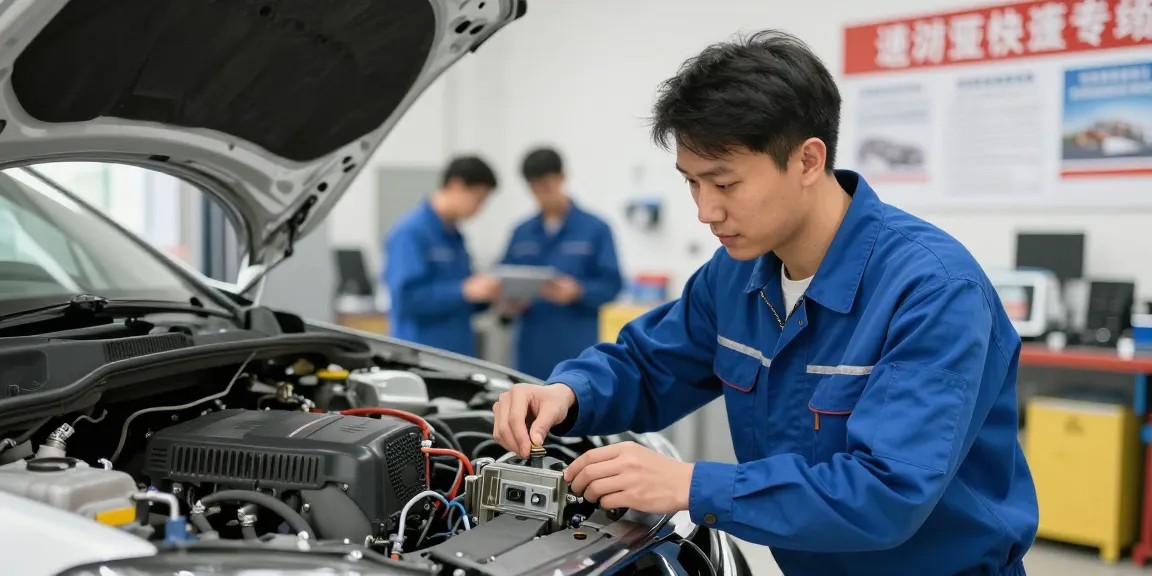
Main Causes of Car Air Conditioner Not Blowing Cold Air
When the sweltering heat of summer kicks in, the last thing you want is for your car’s air conditioning system to fail. If your car air conditioner not blowing cold air, several factors could be at play. Understanding the possible causes not only helps you identify the problem but also guides you in addressing it promptly and effectively. Familiarity with these common issues can prevent minor nuisances from escalating into significant repairs, ensuring your comfort while driving.
Common Refrigerant Issues
The most frequent culprit leading to ineffective cooling is low refrigerant levels. Over time, the refrigerant gas in your system may leak, resulting in insufficient pressure to cool the air effectively. This is typically a sign of wear and tear in the system. Regular checks and maintenance are crucial, as the absence of adequate refrigerant can not only hinder performance but also lead to greater damage if left unchecked.
Filtration Problems and Effects
A dirty or clogged cabin air filter can significantly hamper airflow, giving rise to weak or warm air blowing from the vents. Under normal conditions, these filters should allow for a smooth passage of air while also trapping dust, pollen, and other contaminants. If neglected, the filter may become a barrier rather than a facilitator of cool air, necessitating a replacement every 1-2 years for optimal performance.
Electrical and Mechanical Failures
Sometimes, the issue may lie within the electrical or mechanical components of the air conditioning system. If you do not hear a clicking sound when activating the AC, it can indicate a problem with the compressor or associated electrical connections. Identifying such faults early can save you from incurring extensive repair costs.
Immediate Steps to Take When Air Conditioning Fails
When your air conditioning gives up on you, the first step is staying calm and assessing the situation. Panic can lead you to overlook simple troubleshooting processes. Start with these immediate actions to determine the root cause of your air conditioning woes and decide whether professional help is necessary.
Basic Troubleshooting Techniques
Begin by checking the settings on your vehicle. Ensure that the AC is set to “max” mode, the recirculation control is activated, and all dashboards are set appropriately. If there is no improvement, delve deeper and see if the compressor engages; look for any visible signs of leakage under the vehicle, which may indicate a refrigerant gas leak.
When to Consult a Professional
If basic troubleshooting does not resolve the issue, it’s time to consult a certified technician. Professional assessments can gauge within minutes the operational state of your vehicle’s air conditioning system. Licensed professionals will inspect the entire system, ensuring that any underlying issues are adequately dealt with.
Cost-Effective DIY Solutions
For DIY enthusiasts, several solutions can be applied for immediate relief. If you suspect low refrigerant, an air conditioning recharge kit could be utilized. These kits typically contain pressure gauges and refrigerant, empowering car owners to refill their AC systems at home. However, caution is advised; always follow the specific instructions associated with your vehicle model to avoid further complications.
Understanding Car Air Conditioning Repair Costs
Repairing a malfunctioning vehicle air conditioning system can range significantly in cost based on the issue at hand. Understanding these costs upfront prepares you for potential expenditures while also helping you compare service providers.
A Breakdown of Common Repair Prices
Typical repair costs for air conditioning services can vary, often starting around €30 for simple fixes like replacing a cabin air filter. Comparatively, recharging the AC system could cost around €50 to €150, while more extensive system repairs can tally between €200 and €700, depending on the nature of the fault and parts required.
Factors That Influence Repair Costs
Several variables play into the overall cost of air conditioning repair. For instance, the make and model of your vehicle, the complexity of the repair, and regional labor rates are significant determinants. In 2026, it’s advised to stay updated with local pricing benchmarks to ensure you’re receiving competitive quotes. It’s wise to obtain written estimates from multiple service providers.
How to Avoid Overpricing
To prevent overpricing, be diligent in your research. Look for certified, licensed, and insured service centers in your area. Customer reviews often provide insight into a company’s pricing integrity. At times, an overly low quote may indicate subpar service or shortcuts being taken. Always opt for a trusted, established provider.
Choosing the Right Local Service Provider
Selecting the right technician is crucial for ensuring your car’s air conditioning system is handled with care. A qualified technician will have the knowledge and tools necessary to diagnose and repair issues quickly and efficiently.
Key Qualities of Trusted Technicians
Seek technicians who are not only licensed and bonded but also exhibit a strong reputation within the community. A reliable provider should have clear credentials and positive customer testimonials, showcasing advanced skills in car air conditioning repair.
What to Expect from Your Service Visit
When visiting a service provider, expect a thorough diagnostic process that includes a detailed assessment of your AC system. Transparent communication about necessary repairs, costs, and parts is essential. Look for warranties that cover both parts and labor for peace of mind.
Customer Reviews and Their Importance
Customer feedback can be a great resource when selecting a qualified technician. Websites, forums, and social media platforms allow you to gauge the experiences others have had. Positive reviews and ratings can bond community trust, providing confidence in your choice of service.
Seasonal Tips for Maintaining Your Car Air Conditioning
Proper maintenance of your air conditioning system year-round can diminish the likelihood of unexpected failures. Here are some best practices to adopt.
Best Practices for Year-Round Use
Use your air conditioning system regularly, even in winter months. Operating the AC periodically not only ensures comfort but also helps maintain the integrity of the system, preventing the lubricant from drying out and degrading components.
Preparing for Hottest Months
Prior to summer, conduct a routine check-up of your air conditioning system. A refrigerant level check, an inspection of electrical components, and a filter replacement can help you avoid a breakdown when you need cooling most. It’s also the perfect time to consider a professional service inspection.
Signs Your System Needs Immediate Attention
Stay alert to tell-tale signs that signal a need for a technician’s expertise. These can include unusual noises, fluctuating temperatures, or visible leaks around the AC components. Addressing these signs early can prevent costly future repairs.
In conclusion, by understanding the root causes of a car air conditioner not blowing cold air, you can take immediate action to mitigate the inconvenience. Empower yourself with knowledge of effective troubleshooting methods and familiarize yourself with local service options to avoid pitfalls. Always prioritize regular maintenance to ensure reliable performance as well as a comfortable riding experience throughout the year.